
Why Accountability Groups Work - and How to Find the Right One
Most business owners know they need more accountability. Fewer know what genuine accountability actually looks like - or how to find a group that delivers it without wasting your time.
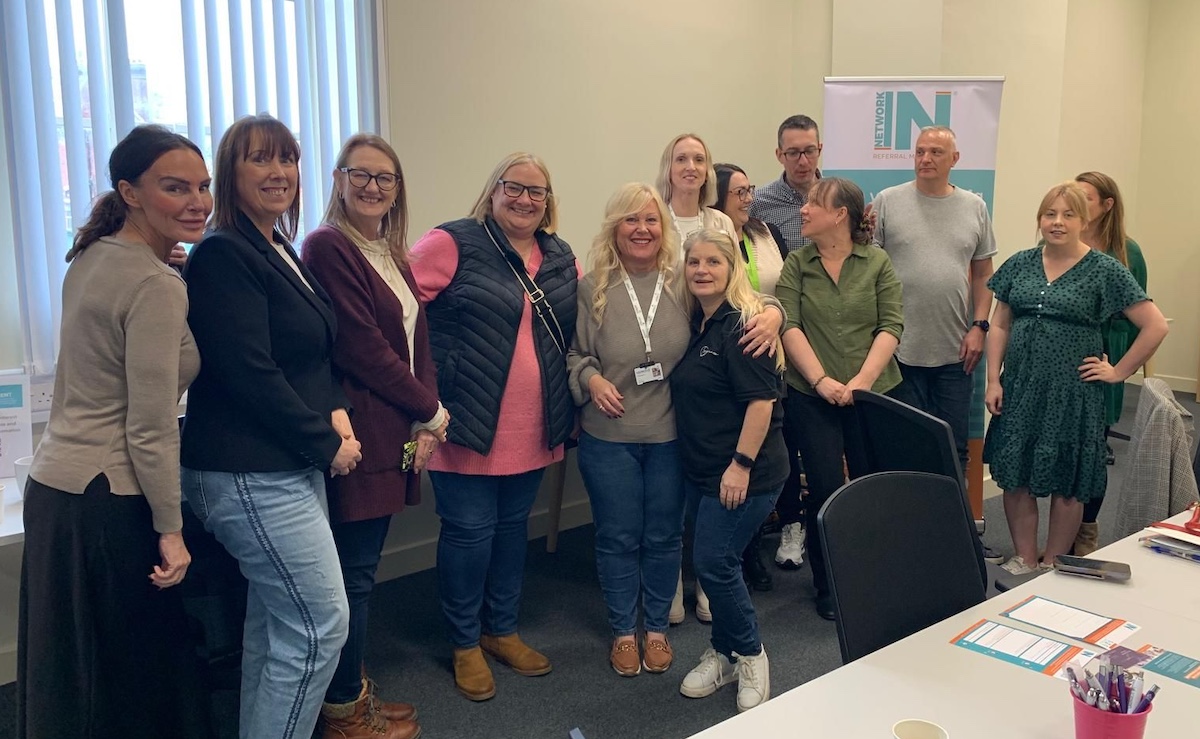
Most business owners know they need more accountability. Fewer know what genuine accountability actually looks like — or how to find it without wasting their time and money on something that doesn't deliver.
The accountability problem most business owners don't talk about
There's a particular kind of frustration that comes from knowing exactly what you need to do and still not doing it. You've written the plan. You know the priorities. You've told yourself this week will be different.
And then the week happens. Calls run over. A client issue arrives that wasn't on the agenda. By Friday you're looking at the same list you were looking at on Monday, wondering where the time went.
This isn't a discipline problem. It isn't a motivation problem. It's a structure problem — and it's one of the most common experiences among business owners who are otherwise capable, experienced, and entirely clear on what they want to achieve.
The missing ingredient, more often than not, is genuine accountability. Not the kind you get from writing a to-do list or booking a course. The kind that comes from other people — specifically, people who will notice when you don't show up, ask you why, and help you figure out what got in the way.
What accountability actually means
The word gets used loosely. People talk about being accountable to themselves, which has value but clear limits. They talk about accountability apps and tracking tools, which can support habits but rarely touch the deeper patterns that hold a business back.
Real accountability — the kind that changes behaviour — has three specific ingredients.
The three ingredients of real accountability
Visibility. Someone else needs to know what you said you were going to do. Stating a commitment to another person changes how seriously you take it in a way that private intention-setting doesn't.
Consistency. One-off check-ins don't build accountability. What builds it is showing up to the same group, with the same people, week after week — until the rhythm becomes its own form of structure.
Honest challenge. Accountability without challenge is just reporting. The groups that move people forward are the ones where someone will say "you said that last month too" — not unkindly, but honestly.
Why peer accountability works differently to coaching
One-to-one coaching is valuable for different reasons. It's personalised, focused, and gives you dedicated space to think through your specific situation. But it has limitations when it comes to accountability specifically.
A coach challenges you from the outside. A peer group challenges you from alongside. When someone in your accountability group says "I've been through exactly that and here's what actually helped," they're not offering theory — they're offering lived experience from someone who is navigating a similar position right now.
Peer accountability also normalises the experience of running a business. When you're in a room — virtual or otherwise — with people dealing with similar pressures, similar decisions, and similar moments of doubt, the isolation that many business owners carry starts to lift. You realise that the thing you thought was a personal failing is actually a structural challenge that most people in your position face.
That shift in perspective is surprisingly powerful. It frees up energy that was previously going into self-criticism, and redirects it toward actually solving the problem.
Coaching and peer accountability aren't either/or
They serve different functions. Coaching provides depth and personalisation around your specific situation. A peer group provides consistency, normalisation, and the kind of challenge that only comes from someone navigating the same realities you are. Many business owners find the two work well together.
The difference between a good accountability group and a waste of time
Not all accountability groups are created equal. There are networking groups that call themselves accountability groups but are really just lead generation in disguise. There are mastermind programmes heavy on content and light on actual accountability. And there are well-intentioned peer groups that drift over time because no one is holding the structure.
The groups that work have a few things in common. They're consistent — the same people, the same time, regularly enough that real relationships form. They have clear expectations, so members know what they're there to do. They're honest, which means someone will say the difficult thing when it needs saying. And they're made up of people who are genuinely invested in each other's progress, not just their own.
The chemistry of a group matters enormously. It's worth taking time to find the right fit rather than joining the first one you come across.
What to look for when choosing an accountability group
If you're actively looking, there are some practical questions worth asking before you commit.
Five questions to ask before joining any accountability group
1. How often does it meet? Weekly tends to produce more consistent results than monthly. The shorter the gap, the harder it is to lose momentum entirely.
2. Is there a facilitator? Facilitated groups hold their shape better over time. A good facilitator keeps things honest, focused, and moving — without dominating the conversation.
3. How are members selected? Groups with some form of vetting — an application, a taster session, or a structured introduction — tend to have stronger foundations than open-access groups.
4. What's the commitment? When members have invested something to be there — time, money, or both — the quality of engagement tends to reflect that.
5. What happens when someone misses their commitments? If the group never addresses this, it's performing accountability without delivering it.
The accountability trap: mistaking activity for progress
One pattern that comes up repeatedly in accountability conversations is the distinction between activity and progress. It's very easy to report back on everything you've been doing — the calls made, the proposals sent, the tasks completed — while consistently avoiding the thing that actually matters.
A good accountability group will notice this. They'll ask not just "what did you do?" but "did it move you forward?" and "what are you not saying?" That's a harder conversation, but it tends to be the one that produces the most meaningful shifts.
If you find yourself consistently busy but not progressing, it's worth asking whether your accountability structure is helping you stay comfortable rather than helping you move forward. Genuine accountability is sometimes uncomfortable. That's not a flaw in the process — it's part of what makes it work.
Busy is not the same as forward
Activity reports are easy to generate. Progress is harder to fake. The right accountability group will notice the difference — and ask the question you've been avoiding.
Building accountability into your week before you find the right group
While you're looking for the right group, there are things you can do to build more structure into your working week. None of these replace the value of a consistent peer group, but they can help bridge the gap.
Declare your commitments to someone — a colleague, a friend in business, or a brief public post. The act of stating an intention to another person adds a layer of commitment that private goal-setting doesn't.
Create a weekly review habit. Fifteen minutes at the end of each week, asking yourself what you committed to, what you actually did, and what got in the way. Over time, this builds self-awareness about your own patterns — which is useful information whether or not you're in a group.
Find a single accountability partner. One person you trust, who is also running a business, and with whom you can be genuinely honest. A brief weekly check-in — even a voice note exchange — can create a surprising amount of short-term traction.
These are starting points, not substitutes. The value of a well-run group — the peer challenge, the collective experience, the relationships that form over months of shared work — is qualitatively different from what you can build in a pair or alone.
How to know when you've found the right group
A good accountability group often leaves you with more clarity, stronger follow-through, and a clearer sense of what needs to happen next. Over time, you may find yourself acting on things between sessions that you'd been putting off — not because you suddenly have more willpower, but because the group has created a structure that makes avoidance harder to sustain.
You'll also notice that the people in your group start to feel like a genuine resource. Not a network in the transactional sense, but people who actually know your business, remember what you said last month, and can offer perspective that's both honest and grounded in real experience.
That combination — honesty and genuine investment in each other's progress — is relatively rare in business life. When you find a group that has it, it's worth showing up for consistently.
Common questions about accountability groups
Do accountability groups actually work for business
owners?
They can — but quality varies significantly. The ones that produce
consistent results tend to meet frequently, have honest cultures,
and are made up of people genuinely invested in each other's
progress. A poorly structured group where honest challenge is
avoided is unlikely to produce meaningful results regardless of
how well-intentioned the members are.
How often should an accountability group meet?
Weekly tends to work better than monthly for most business
owners. The shorter the gap between sessions, the harder it is
to lose momentum entirely, and the more likely it is that members
stay genuinely current with each other's situations.
What's the difference between a coaching programme and
an accountability group?
Coaching is typically one-to-one and focused on your specific
situation. An accountability group brings you into a peer
environment where challenge and support come from people in a
broadly similar position. The two often complement each other
well.
How do I know if an accountability group is right for
me right now?
If you're clear on what you need to do but struggle to maintain
consistent momentum, a well-run accountability group is likely
to help. If you're still working out the fundamentals of your
direction or business model, one-to-one support may be a better
starting point — peer accountability works best when you have
enough clarity to make and keep meaningful commitments week to
week.
Want to experience what a real accountability group feels like?
Business Club meets every week — no breaks, no filler, just honest conversation and real accountability for business owners who are ready to move forward. Find out more about Business Club →
Frequently Asked Questions
You might also like

How to Build a 90-Day Business Plan That You'll Actually Use
Most business plans get written once and never opened again. A 90-day plan works differently - it's short enough to stay relevant and specific enough to drive real action.